
Polycystic ovary syndrome (PCOS) is one of the most common hormonal conditions in women, yet it is often misunderstood — and surrounded by confusing diet advice. The World Health Organization estimates that PCOS affects 8–13% of women of reproductive age, and up to 70% of those affected are undiagnosed.1 Here is what the latest international guideline says about food, weight and lifestyle, and how to turn it into everyday habits.
Key takeaways
- Healthy lifestyle is recommended for all women with PCOS, whatever their weight.
- No single “PCOS diet” has been shown to beat others — consistency and balance matter most.
- For those above a healthy weight, losing 5–10% can improve symptoms and metabolic health.
- Many supplements are heavily marketed but evidence is still limited.
What is PCOS, and why does food matter?
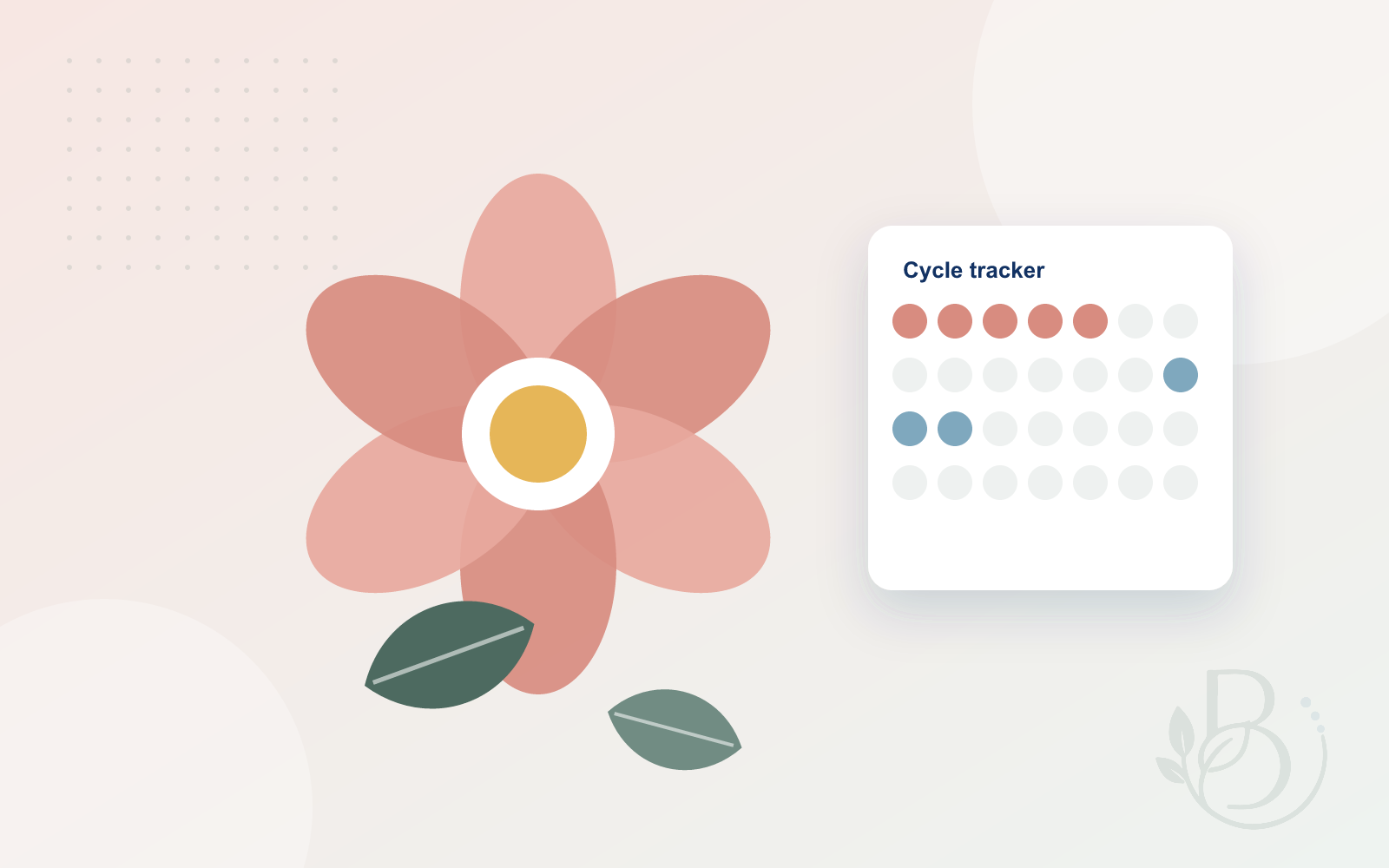
PCOS is diagnosed when a woman has at least two of three features: irregular or absent ovulation (often irregular periods), signs of higher androgen levels (such as acne or excess hair growth, or raised levels on a blood test), and polycystic ovaries on ultrasound or a high AMH level — after other causes are ruled out.2
PCOS is not only a reproductive condition. A large share of women with PCOS have insulin resistance, regardless of body weight, and high insulin levels can push the ovaries to produce more androgens.3 PCOS also raises the risk of type 2 diabetes, high cholesterol and, during pregnancy, gestational diabetes. That is why eating patterns and daily habits are such an important part of care.
What the 2023 international guideline recommends
In 2023, an international network of experts and women with PCOS published an updated evidence-based guideline, endorsed by dozens of professional societies worldwide.2 Its lifestyle recommendations include:
- Healthy lifestyle for everyone — balanced eating and regular activity benefit all women with PCOS, not only those trying to lose weight.
- No one diet is best — there was no clear evidence that any specific diet type is superior. The guideline advises general healthy eating tailored to personal preferences, culture and needs.
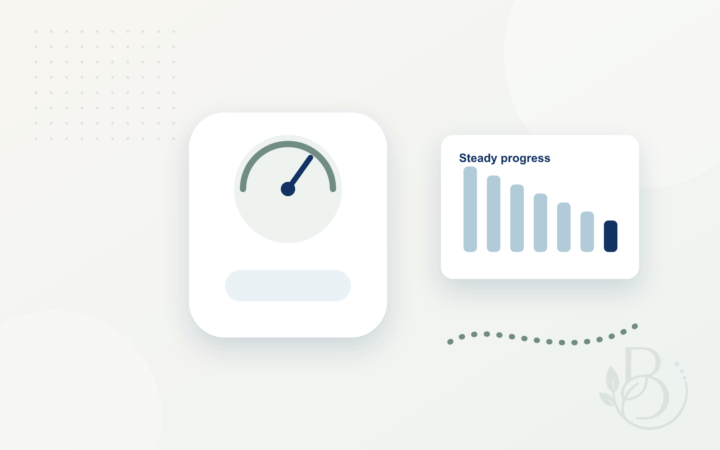
- Modest weight change can help — for women with excess weight, a 5–10% reduction within six months can bring significant clinical improvements.
- Move regularly — aim for at least 150 minutes of moderate or 75 minutes of vigorous activity a week, plus muscle-strengthening on two days, and limit long periods of sitting.
- Avoid weight stigma — health professionals are encouraged to support women respectfully, since stigma can harm both wellbeing and outcomes.
A PCOS-friendly way of eating, desi style
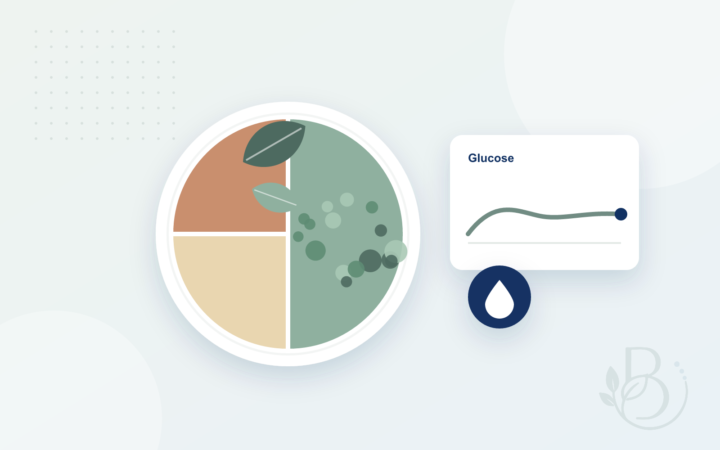
Because there is no single required diet, we build on principles that support steady insulin and energy while respecting the foods you already eat:
Start the day with protein
Swap a paratha-and-sweet-chai breakfast for eggs with a whole-grain roti, a besan cheela with yoghurt, or overnight oats with milk and nuts. Protein helps you stay full and can reduce mid-morning cravings.
Choose fibre-rich carbohydrates
Daal, chana, lobia, rajma, whole-wheat or mixed-flour roti, brown or parboiled rice in sensible portions, and plenty of vegetables release energy more slowly than white bread, bakery items and sugary drinks.
Include healthy fats
A handful of nuts, seeds such as flaxseed or pumpkin seeds, fish, and moderate amounts of olive, canola or mustard oil support heart health — important because PCOS can affect cholesterol levels.
Plan for cravings instead of fighting them
Strict “never again” rules often backfire. Eat regular, balanced meals so you do not arrive at dinner ravenous, and plan small portions of foods you love rather than banning them.
Sample PCOS-friendly day: eggs with sautéed spinach and one roti for breakfast; chicken or chana salan with salad and a small portion of rice for lunch; a fruit with a handful of almonds in the afternoon; and grilled fish or daal with mixed vegetables and raita for dinner.
Common myths about PCOS and food
“You must cut out gluten and dairy.” There is no good evidence that all women with PCOS need to avoid gluten or dairy. Cutting out food groups without reason can make meals harder and reduce important nutrients such as calcium.
“Lean women with PCOS don’t need to think about food.” Insulin resistance can occur at any weight. Balanced meals, protein and activity still matter.
“Supplements can cure PCOS.” The 2023 guideline concluded that evidence for inositol is limited and it should be considered experimental, with many other supplements also lacking strong evidence.2 Discuss any supplement with your doctor or nutritionist first.
Beyond the plate: sleep, stress and support
Poor sleep and chronic stress can worsen cravings and blood-sugar control. Aim for a regular sleep routine, find movement you enjoy, and remember that PCOS can affect mood and body image — emotional support is part of good care. Medicines such as metformin or hormonal treatment may also be recommended by your doctor; nutrition works best alongside them.
References
- World Health Organization. Polycystic ovary syndrome — fact sheet. Geneva: WHO; 2023. who.int
- Teede HJ, Tay CT, Laven JJE, et al. Recommendations from the 2023 International Evidence-based Guideline for the Assessment and Management of Polycystic Ovary Syndrome. J Clin Endocrinol Metab. 2023;108(10):2447–2469.
- Diamanti-Kandarakis E, Dunaif A. Insulin resistance and the polycystic ovary syndrome revisited: an update on mechanisms and implications. Endocr Rev. 2012;33(6):981–1030.