

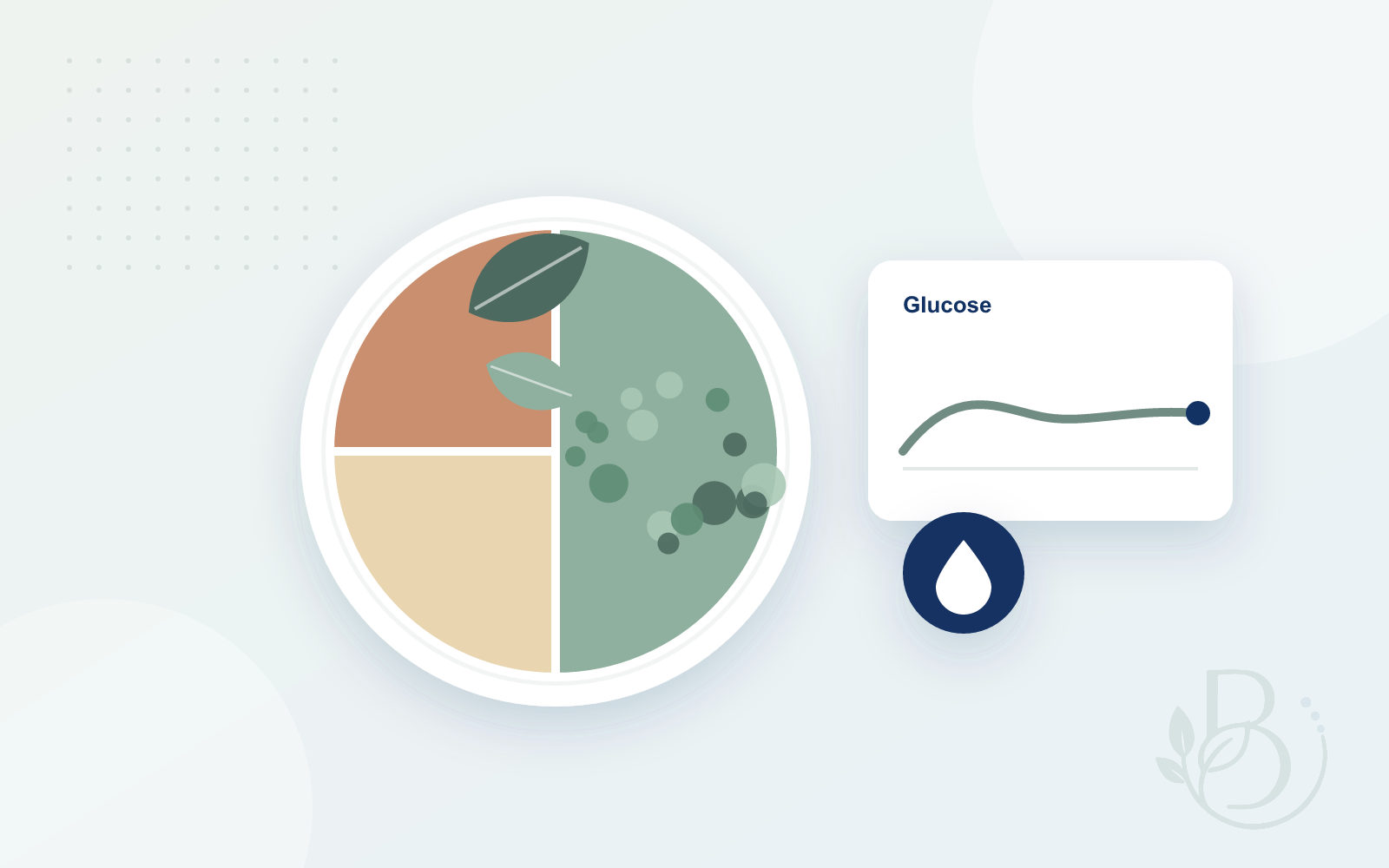
Pakistan now has one of the highest rates of diabetes in the world. According to the International Diabetes Federation, about 1 in 4 adults aged 20–79 are living with diabetes — roughly 33 million people — and many more have prediabetes without knowing it.1 The encouraging news is that everyday food choices have a powerful, measurable effect on blood sugar. This guide explains what the research says and how to apply it to a typical desi plate.
Key takeaways
- Modest lifestyle change cut the risk of prediabetes turning into type 2 diabetes by 58% in a major clinical trial.
- The type and amount of carbohydrate matter more than cutting carbs out completely.
- Eating vegetables and protein before roti or rice, and walking after meals, can blunt sugar spikes.
- Never change diabetes medicines without your doctor — nutrition works alongside medical care.
Prediabetes and type 2 diabetes: what the numbers mean
Type 2 diabetes develops when the body becomes less responsive to insulin (insulin resistance) and the pancreas can no longer keep up. Prediabetes is the stage before that, when blood sugar is above normal but not yet in the diabetes range. The American Diabetes Association uses the following thresholds:2
| Test | Normal | Prediabetes | Diabetes |
|---|---|---|---|
| HbA1c | Below 5.7% | 5.7–6.4% | 6.5% or higher |
| Fasting glucose | Below 100 mg/dL | 100–125 mg/dL | 126 mg/dL or higher |
| 2-hour glucose (OGTT) | Below 140 mg/dL | 140–199 mg/dL | 200 mg/dL or higher |
Prediabetes is a warning sign, not a sentence. In the landmark US Diabetes Prevention Program, adults with prediabetes who followed a lifestyle program — healthier eating, around 150 minutes of activity a week and a weight-loss goal of about 7% — were 58% less likely to develop type 2 diabetes over about three years than those given a placebo.3
Carbohydrates: quality and quantity, not elimination
Carbohydrates raise blood sugar more than protein or fat, so they deserve attention. But current guidelines do not require one single diet for everyone with diabetes; several eating patterns can work if they focus on minimally processed foods and appropriate portions.2 In practice, two levers matter most:
- Quality. Fibre-rich carbohydrates such as whole-grain atta, jau (barley), oats, daal, chana and lobia are digested more slowly than maida, white bread and sugary drinks. A large Lancet review found that people eating the most fibre and whole grains had lower rates of type 2 diabetes, heart disease and early death, with benefits seen at intakes of 25–29 g of fibre per day or more.4
- Quantity. Even healthy carbohydrates raise blood sugar if the portion is large. A useful starting point for many adults is one medium roti or about a cupped handful of cooked rice per meal, adjusted to your readings, activity level and medicines.
Desi swap ideas: mix chakki atta with besan or jau flour for rotis; choose daal-chawal with more daal than rice; replace sweet lassi with plain lassi or chaas; and keep fruit to one portion at a time, ideally with a few nuts or yoghurt.
Build a blood-sugar-friendly plate
The simplest tool we use with clients is the plate method. It needs no counting and works for most home-cooked meals:
- Half the plate: non-starchy vegetables — salad, karela, bhindi, tori, palak, gobhi, raita with cucumber.
- A quarter: protein — chicken, fish, eggs, daal, chana, paneer or yoghurt.
- A quarter: high-fibre carbohydrate — a roti, a small portion of rice, or potatoes in their skin.
- Drink: water, unsweetened tea or lassi without sugar.
Simple habits that soften sugar spikes
1. Change the order you eat
In a small study of adults with type 2 diabetes, eating vegetables and protein before the carbohydrate part of the same meal led to noticeably lower glucose and insulin levels after eating, compared with eating the carbohydrate first.5 Starting with salad and salan before reaching for the roti is an easy habit to try.
2. Move after meals
Muscles use glucose for fuel. A meta-analysis of studies on breaking up long periods of sitting found that light walking after eating lowered post-meal blood sugar compared with staying seated.6 Even a 10–15 minute walk after dinner — around the house, the lawn or the street — helps.
3. Rethink the chai and the meetha
Two or three cups of sweet chai a day can add several teaspoons of sugar. Reduce sugar gradually — half a spoon less each week — so your taste adapts. Keep desserts for planned occasions and enjoy a small portion after a balanced meal rather than on an empty stomach.
4. Keep meal timings regular
Long gaps followed by very large meals make blood sugar harder to manage, especially if you take insulin or sulfonylurea tablets. Regular meals — and snacks if your plan includes them — reduce the risk of both highs and lows.
When to get personalised help
Everyone responds to food differently, and medicines change how your body handles meals. Consider seeing a nutritionist if your readings are unpredictable, you experience lows, you are pregnant, you plan to fast in Ramadan, or you have kidney disease. Bring your recent reports and a few days of glucose readings — they help us build a plan around how your body responds.
References
- International Diabetes Federation. IDF Diabetes Atlas, 10th edition. Brussels: IDF; 2021. Pakistan country profile. diabetesatlas.org
- American Diabetes Association Professional Practice Committee. Standards of Care in Diabetes—2025 (Sections 2 and 5). Diabetes Care. 2025;48(Suppl 1).
- Knowler WC, Barrett-Connor E, Fowler SE, et al. Reduction in the incidence of type 2 diabetes with lifestyle intervention or metformin. N Engl J Med. 2002;346(6):393–403.
- Reynolds A, Mann J, Cummings J, et al. Carbohydrate quality and human health: a series of systematic reviews and meta-analyses. Lancet. 2019;393(10170):434–445.
- Shukla AP, Iliescu RG, Thomas CE, Aronne LJ. Food order has a significant impact on postprandial glucose and insulin levels. Diabetes Care. 2015;38(7):e98–e99.
- Buffey AJ, Herring MP, Langley CK, et al. The acute effects of interrupting prolonged sitting time in adults with standing and light-intensity walking on biomarkers of cardiometabolic health: a systematic review and meta-analysis. Sports Med. 2022;52(8):1765–1787.